Importer-led selection
Aramacao is the importer. The catalog can grow across producers, cooperatives, and profiles as supply relationships develop. Each lot still needs the same level of traceability and documentation.
Specialty green coffee importer
California importer · Direct origin relationships
Aramacao & Co imports coffees with clear provenance, practical warehouse access, and transparent terms. We work from real relationships in Honduras now, with room to build a broader offering list over time.
Why Aramacao
Aramacao is the importer. The catalog can grow across producers, cooperatives, and profiles as supply relationships develop. Each lot still needs the same level of traceability and documentation.
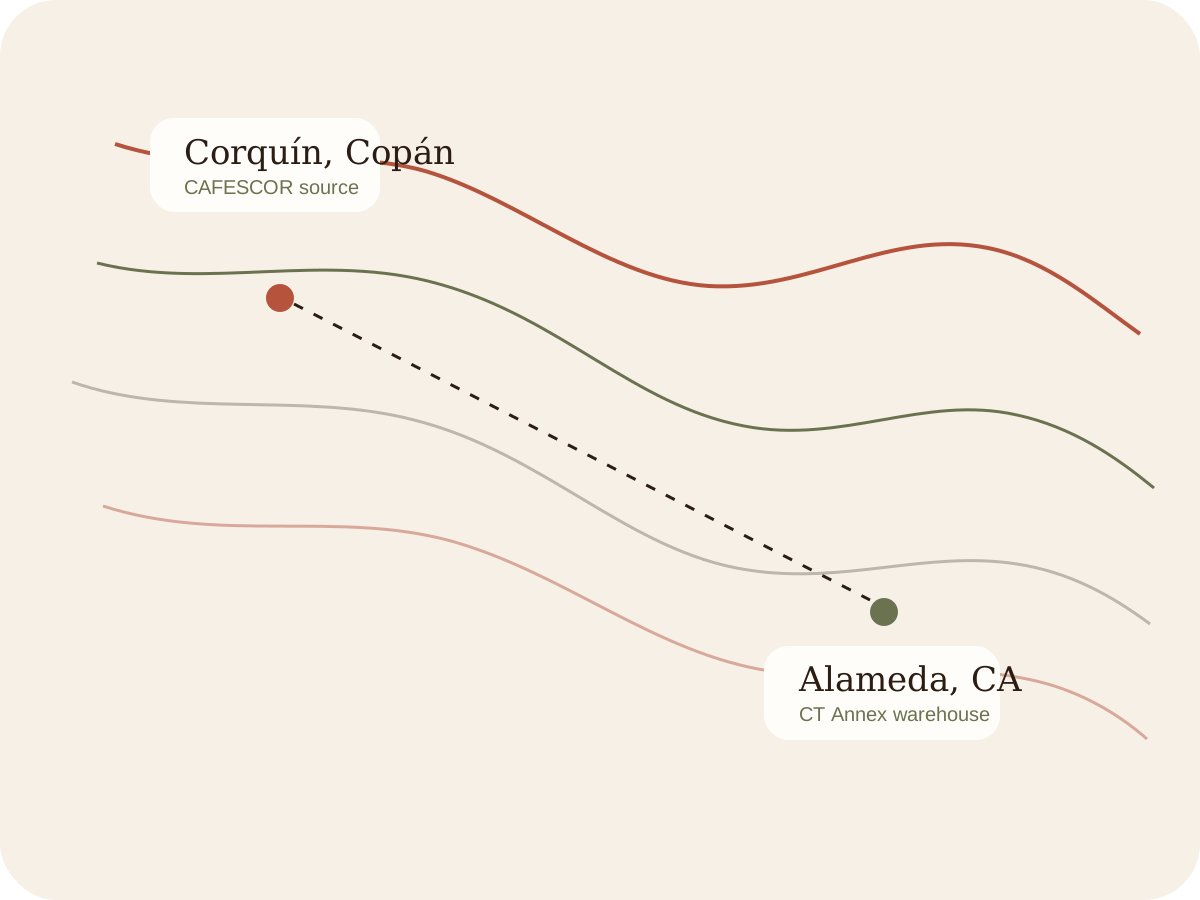
Coffee is stored at Continental Terminals Annex in Alameda, California. That shortens sample turnaround and simplifies LTL freight across the West.
Buyers should not have to make a full-bag decision from a landing page. Start with a sample, then move to pricing and freight when the coffee is a real fit.
Current supply focus
Andres Eger built Aramacao to import green coffee under his own banner. CAFESCOR matters because it is the current featured supply relationship, and because it shows how the company intends to work with future coffees, through clear origin context and practical buying terms.
We build the site around the importer, then let each lot carry its own producer story.Read the full story
Sourcing model
The catalog will not stay limited to one cooperative or one country. What should stay constant is the buying standard, clear provenance, usable lot data, practical quantities, and warehouse access that works for active roasting businesses.
SG-1244 from CAFESCOR is the coffee on hand today. It sets the standard for how Aramacao presents origin, quality data, pricing, and warehouse readiness.
Additional coffees can come from other cooperatives, producers, or import relationships. The site structure is already built to expand without changing the brand around a single source.
Every lot should answer the same questions. Who produced it. How it was evaluated. Where it is stored. What the terms are. That is the importer logic behind the catalog.
Journal
A useful sample process helps roasters decide quickly whether a coffee belongs in the program, without forcing the whole buying conversation into a public lot page.
Small roasters need to know who produced the coffee, what the cooperative structure means, and why that access is unusual at this scale.
Next step
Samples ship from Alameda, usually within 3 business days. Qualified roasters do not pay for samples.